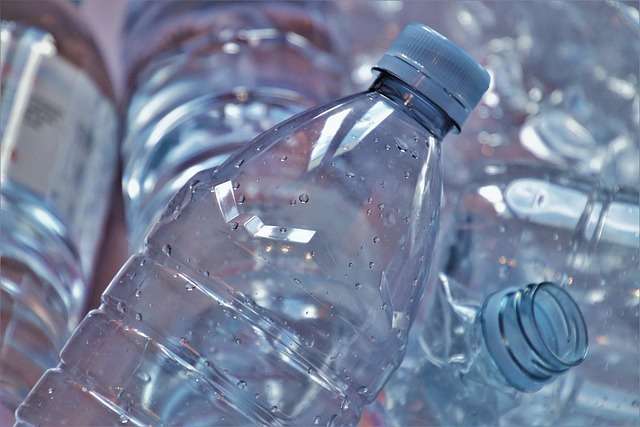
Microplastics and PFAS are two of the most pervasive pollutants of the modern era. They are found in the air we breathe, the water we drink, and the food we eat — and growing evidence suggests they may be far more dangerous together than apart.
What are microplastics?
Microplastics are fragments of plastic smaller than five millimetres. They originate from the breakdown of larger plastic objects such as bottles, packaging, and synthetic textiles, or they are manufactured at microscopic scale for use in cosmetics and industrial processes. Nanoplastics, a subset measuring under one micrometre, are even smaller and can penetrate biological barriers that larger particles cannot. Both types are now detected virtually everywhere on Earth — in Arctic sea ice, in the deepest ocean trenches, in agricultural soil, and inside the human body.
What are PFAS?
PFAS — Per- and Polyfluoroalkyl Substances — is an umbrella term for a family of more than 12,000 synthetic chemicals built around an exceptionally strong carbon-fluorine bond. This bond makes them extraordinarily useful industrially: they repel water, grease, and heat with remarkable efficiency. It also makes them dangerous. PFAS do not break down under natural conditions, earning them the nickname “forever chemicals.” They are found in non-stick cookware, waterproof clothing, food packaging, firefighting foams, and countless industrial products — and because of their widespread use, they are present in the blood of almost every person on Earth.
Where do they come from — and why do they travel together?
Microplastics and PFAS frequently originate from the same sources. Waterproof textiles, non-stick cookware, food packaging, and industrial coatings all release both types of pollutant. Wastewater treatment plants, which were not designed to remove either contaminant, discharge both into rivers and coastal waters. Once in the environment, both pollutants share a troubling ability to travel vast distances. Studies have detected microplastics and PFAS in Arctic snowfields and in the deep ocean, far from any human activity.
How do they interact — and amplify each other’s harm?
For much of the history of environmental science, microplastics and PFAS were studied as separate problems. That is changing. Researchers now understand that these two pollutants interact in ways that make each more dangerous than it would be on its own.
The key mechanism is adsorption: microplastic particles attract and bind PFAS molecules to their surfaces. This turns microplastics into vectors — tiny transport vehicles that carry concentrated PFAS through water systems and into living organisms. Once inside a fish or a human, the plastic particle can release its PFAS payload in concentrated form, dramatically increasing the biological dose.
A 2024 study by researchers at the University of Birmingham tested the combined effect of microplastics and PFAS chemicals on freshwater indicator species. The combination caused significantly more harm than either pollutant alone. Of the combined toxic effects measured, 59% were additive and 41% were synergistic — meaning the chemicals worked together to cause harm greater than the sum of their parts.
The interaction also has direct consequences for human health through the food chain. Studies of fish from the South China Sea found a significant correlation between the microplastic load in a fish’s body and the concentration of PFAS in its tissue. When people eat affected seafood, they ingest a pre-concentrated dose of both contaminants.
What are the known health effects?
Microplastics have been detected in human blood, lung tissue, the placenta, and — in a finding that drew wide attention — embedded in the plaques of carotid arteries. A 2024 study published in the New England Journal of Medicine found that patients with microplastics in their arterial plaques faced a roughly fourfold increased risk of heart attack, stroke, or death over a three-year follow-up period. Microplastics also carry toxic additives and co-pollutants such as PFAS, and are associated with immune disruption, endocrine interference, and disturbance of the gut microbiome.
PFAS exposure has been linked to impaired immune response, thyroid disease, elevated cholesterol, metabolic disruption, liver damage, kidney disease, and various cancers. Pregnant people and young children are considered the highest-risk groups, as PFAS can cross the placental barrier and interfere with fetal development.
Effects on the natural environment
Both pollutants have been documented in virtually every ecosystem on Earth. In freshwater systems, fish exposed to both show intestinal damage, oxidative stress, and disrupted reproductive function. The effects cascade through food webs. Climate change adds a further complication: rising temperatures accelerate the physical weathering of plastic debris, generating more secondary microplastics — and the breakdown of plastics itself releases greenhouse gases that contribute to further warming.
What is being done about it?
Regulation has historically lagged far behind the science. In the United States, the Environmental Protection Agency in 2024 set the first enforceable federal limits for certain PFAS compounds in drinking water. In Europe, the European Chemicals Agency is pursuing a broad restriction on PFAS under REACH regulation, while EU single-use plastics legislation targets key sources of microplastic contamination.
A core challenge for regulators worldwide is that existing frameworks assess pollutants individually. The synergistic effects of combined exposures fall outside what most current risk assessments are designed to measure. Scientists are increasingly calling for mixture toxicology to be embedded in regulatory standards.